
How To Discourage Your Canine From Chasing Automobiles
Dogs love to chase vehicles. Unfortunately, doing so often leads to their injury or death. In some cases, they chase an automobile until it stops, at which point they run into its back end, and damage their spine. In other cases, the canine is hit by another car.
Another problem is that drivers who see dogs lunging into the street are likely to brake quickly, or swerve into oncoming traffic. This poses a serious danger to other drivers and pedestrians.
In this article, we'll take a closer look at the reasons canines chase vehicles. If you're able to pinpoint the trigger, you'll be more effective in curbing the tendency. We'll then offer a few suggestions for discouraging the behavior in your pooch.
Understanding Why Dogs Chase Cars
Your dog is a natural predator, even if he doesn't seem so. This can manifest in different ways. For example, if given the opportunity, he'll stalk and chase small rodents. If he happens to corner one, he'll rarely follow through in harming it. The reason? Because stalking his prey is a game for him. He has no intention of harming or killing the rodent.
The same is true when your canine chases people riding bicycles, kids on skateboards, or even other pets. It is the mark of a normal, happy, and well-balanced pooch socializing with others.
There are a few breeds that have a stronger predatorial sense than most. For them, the act of stalking and catching their prey is not a game. If they catch their prey, there is a good chance they will kill it. While this level of stalking is rarely directed toward vehicles, it is possible. It is also difficult to control.
Even though chasing cars comes naturally to a dog, the tendency can be discouraged before it becomes a problem. The key is addressing the behavior as early as possible.
Preventing The Problem Before It Starts
When your canine first shows signs of interest in passing vehicles, immediately call his name to capture his attention. Once he looks at you, and keeps his eyes on you, praise him and give him a treat. This trains him to understand that ignoring traffic and giving you his attention when you call results in a positive outcome. This will prove invaluable if you accidentally release his leash while traffic is passing nearby.
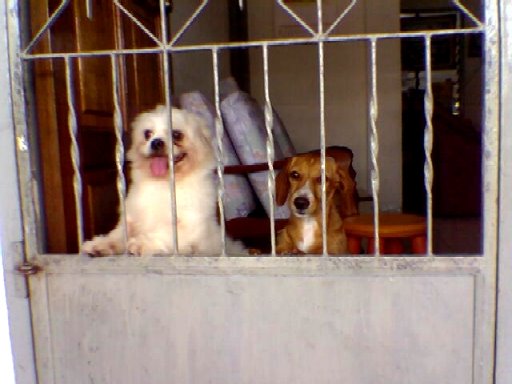
A lot of owners assume that because their pets only chase vehicles while behind a fence, the behavior poses no danger. In reality, it does since the tendency reinforces itself. Eventually, your dog may jump into the fence out of excitement, harming himself in the process. Thus, you should take the time to curb the behavior.
Curbing An Existing Tendency To Chase
If your canine has already developed a habit of chasing cars, you'll need to first test his ability to come when you call him. This is critical. Everything revolves around his perception that you are the priority. Start by testing him in a quiet environment with no distractions.
After he consistently responds to your commands, take him to a park or similar setting that offers distractions without the danger of traffic. This will teach him to ignore other things, and focus his attention on you.
Next, test his ability to focus near semi-busy streets. Make sure you keep a tight hold on his leash to prevent him from bolting into traffic. Many dogs will respond consistently to their owners at home or at a park, but will lose their focus when presented with the opportunity to chase a car. Be wary.
Many canines have been injured or killed as the result of chasing vehicles. Train your dog to ignore traffic, and listen to your voice. It may one day save his life.
>
Another problem is that drivers who see dogs lunging into the street are likely to brake quickly, or swerve into oncoming traffic. This poses a serious danger to other drivers and pedestrians.
In this article, we'll take a closer look at the reasons canines chase vehicles. If you're able to pinpoint the trigger, you'll be more effective in curbing the tendency. We'll then offer a few suggestions for discouraging the behavior in your pooch.
Understanding Why Dogs Chase Cars
Your dog is a natural predator, even if he doesn't seem so. This can manifest in different ways. For example, if given the opportunity, he'll stalk and chase small rodents. If he happens to corner one, he'll rarely follow through in harming it. The reason? Because stalking his prey is a game for him. He has no intention of harming or killing the rodent.
The same is true when your canine chases people riding bicycles, kids on skateboards, or even other pets. It is the mark of a normal, happy, and well-balanced pooch socializing with others.
There are a few breeds that have a stronger predatorial sense than most. For them, the act of stalking and catching their prey is not a game. If they catch their prey, there is a good chance they will kill it. While this level of stalking is rarely directed toward vehicles, it is possible. It is also difficult to control.
Even though chasing cars comes naturally to a dog, the tendency can be discouraged before it becomes a problem. The key is addressing the behavior as early as possible.
Preventing The Problem Before It Starts
When your canine first shows signs of interest in passing vehicles, immediately call his name to capture his attention. Once he looks at you, and keeps his eyes on you, praise him and give him a treat. This trains him to understand that ignoring traffic and giving you his attention when you call results in a positive outcome. This will prove invaluable if you accidentally release his leash while traffic is passing nearby.
A lot of owners assume that because their pets only chase vehicles while behind a fence, the behavior poses no danger. In reality, it does since the tendency reinforces itself. Eventually, your dog may jump into the fence out of excitement, harming himself in the process. Thus, you should take the time to curb the behavior.
Curbing An Existing Tendency To Chase
If your canine has already developed a habit of chasing cars, you'll need to first test his ability to come when you call him. This is critical. Everything revolves around his perception that you are the priority. Start by testing him in a quiet environment with no distractions.
After he consistently responds to your commands, take him to a park or similar setting that offers distractions without the danger of traffic. This will teach him to ignore other things, and focus his attention on you.
Next, test his ability to focus near semi-busy streets. Make sure you keep a tight hold on his leash to prevent him from bolting into traffic. Many dogs will respond consistently to their owners at home or at a park, but will lose their focus when presented with the opportunity to chase a car. Be wary.
Many canines have been injured or killed as the result of chasing vehicles. Train your dog to ignore traffic, and listen to your voice. It may one day save his life.







.jpg)


.jpg)

0 comments:
Post a Comment